APIK Mississauga Ski Recap: Setting a New Standard for Rail Skiing

5 February 2026 / By justin

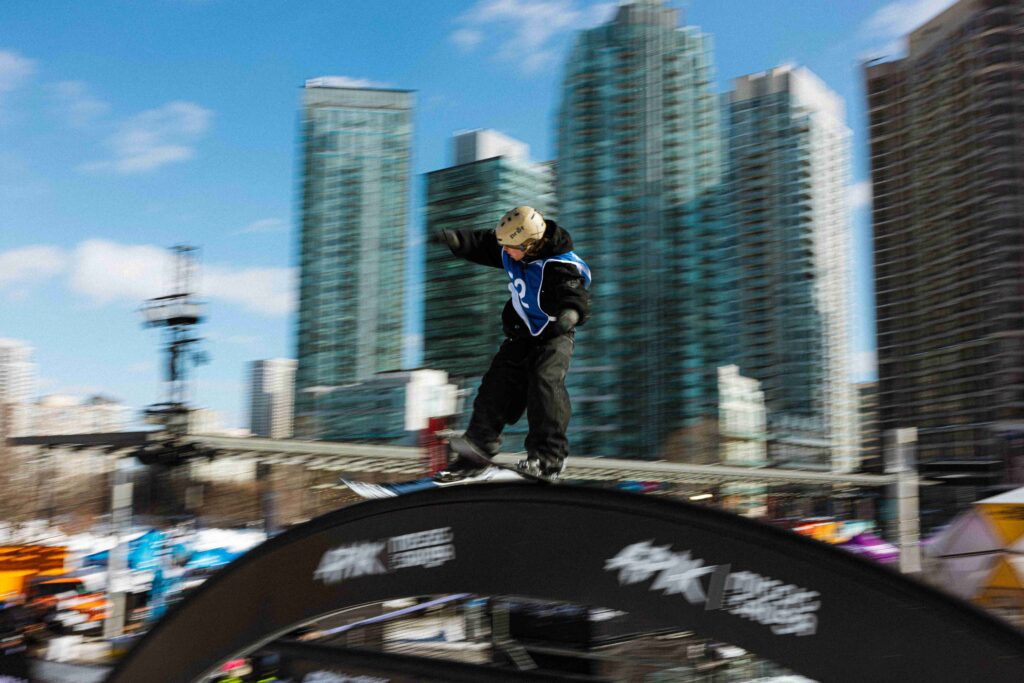
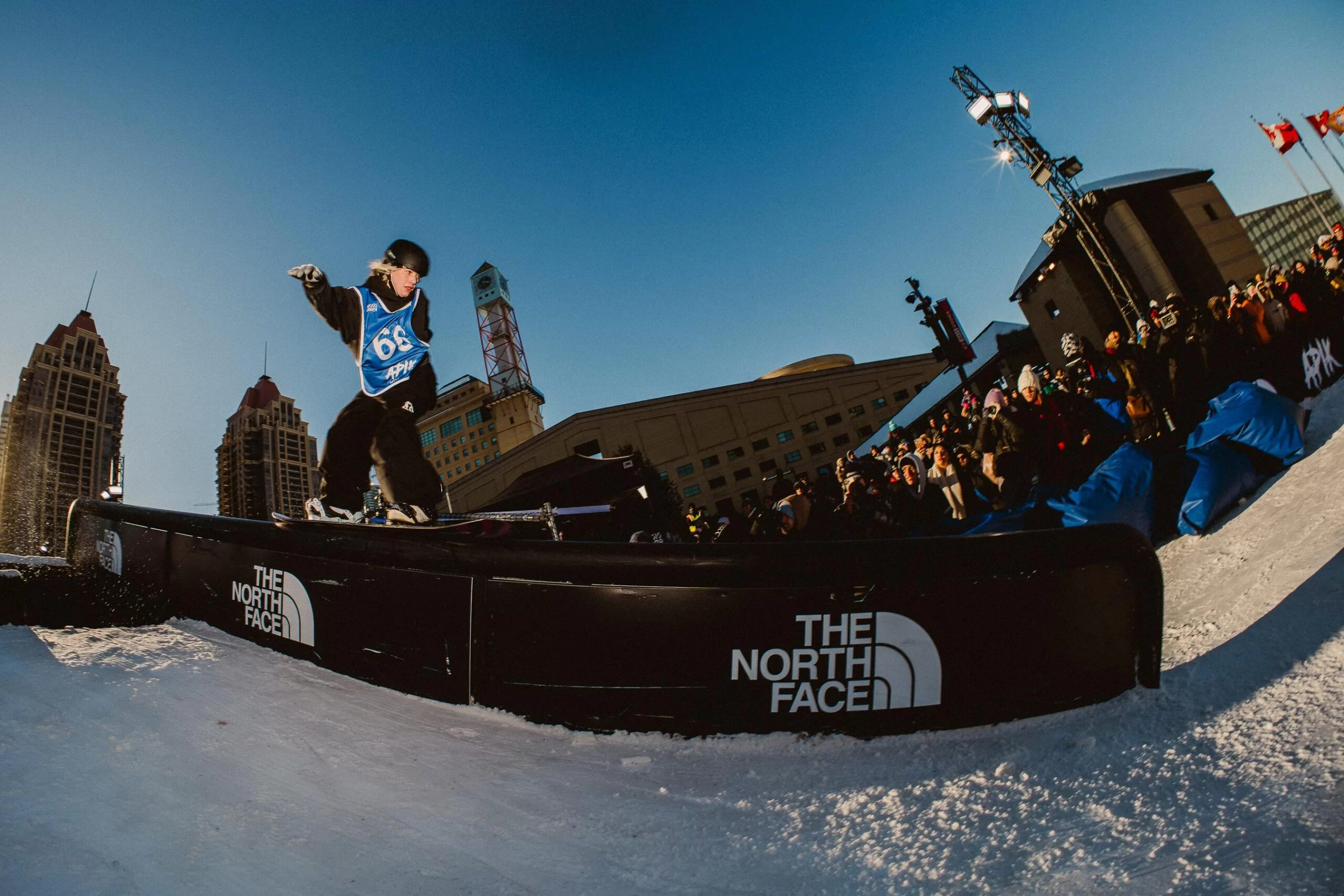
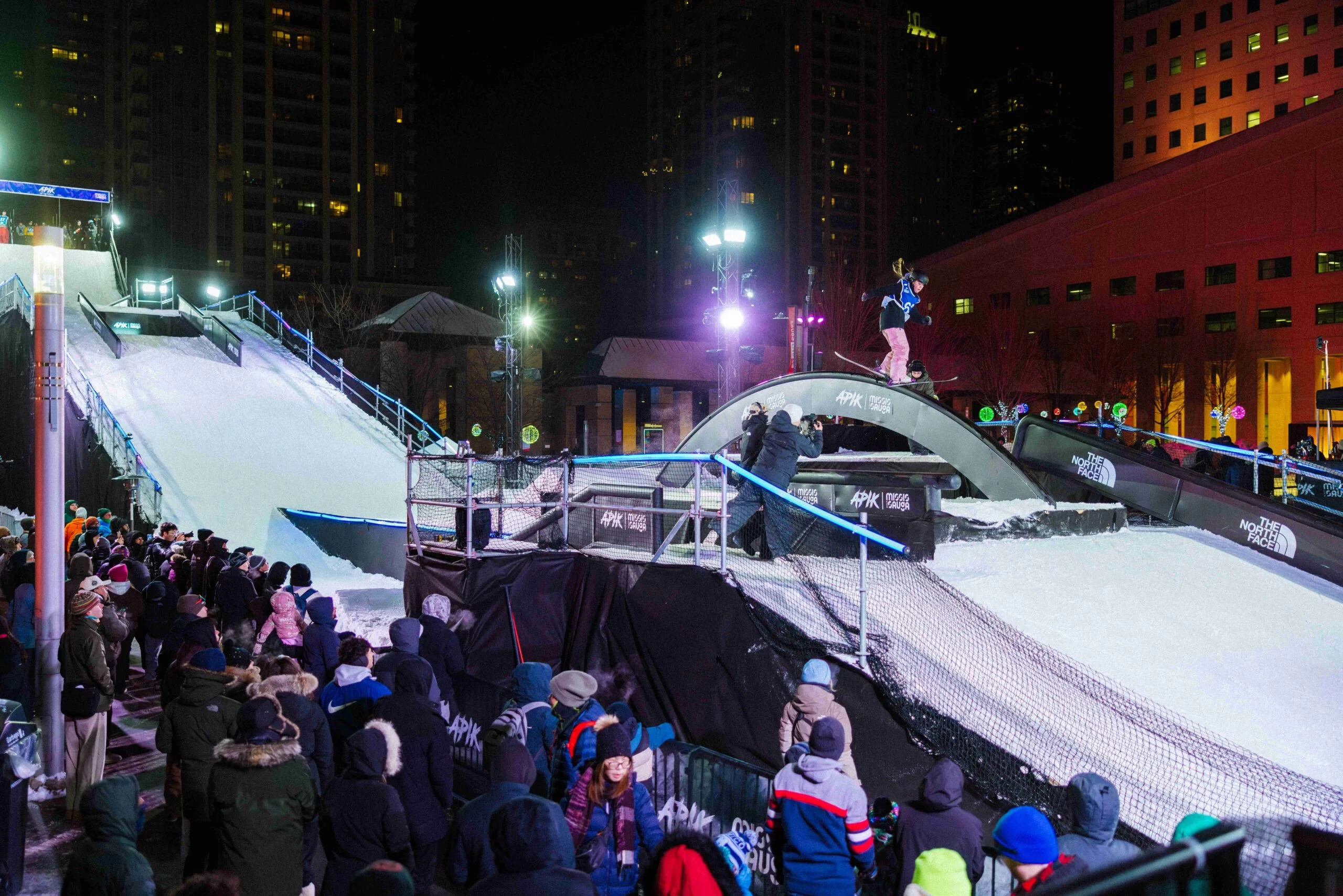
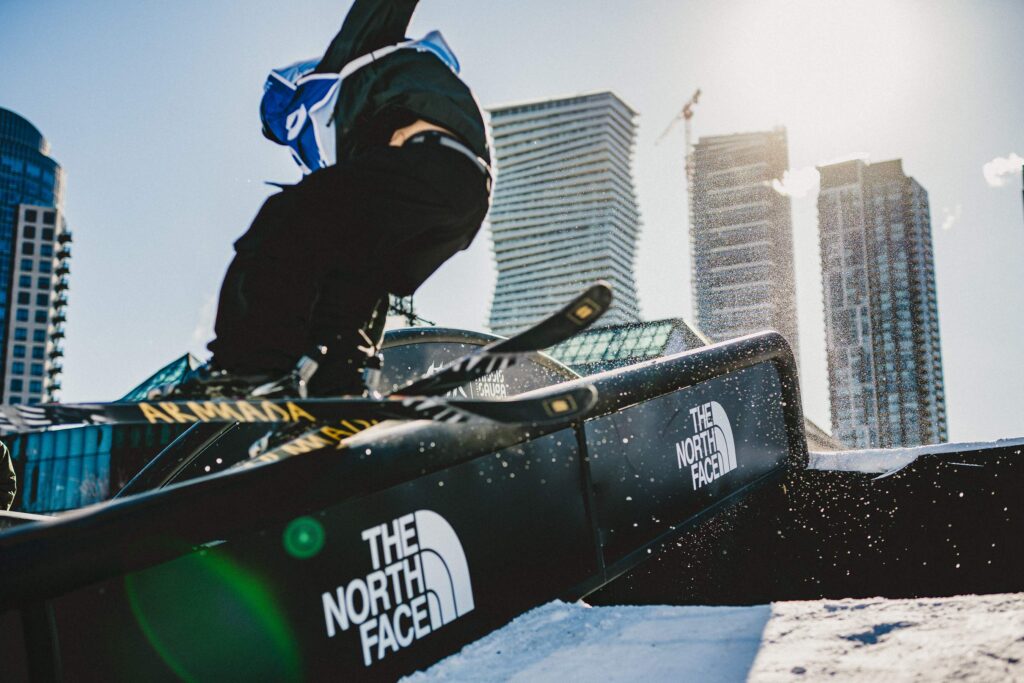
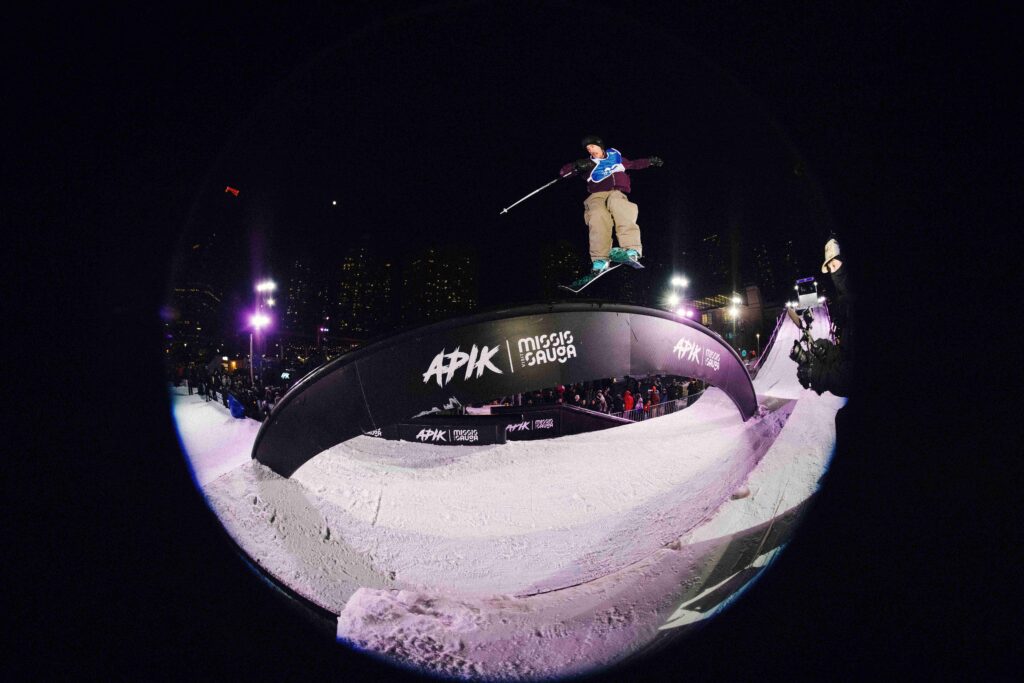
Saturday night at APIK Mississauga 2026 delivered one of the most stacked ski rail contests the event has ever seen. With a deep international field, a massive scaffold rail setup, and $50,000 in total prize money split equally between women and men, the level stayed incredibly high from the first jam heat to the final Best Trick session.

With one of the craziest start lists to date, the competition felt wide open from start to finish. The top group was so competitive that multiple riders were putting down podium-level runs throughout the night, making every round unpredictable.

We sat down with head judge Xavier Mayrand, livestream host Kim Lamarre, MC and ski sport specialist Bradley Matheson, and livestream moderator Fred Ferland to break down the standout moments from the competition.
Speed, Setup, and Standout Lines

One of the key elements this year was speed on course: compared to last year, the faster approach allowed riders to unlock bigger tricks and more ambitious transfers, especially between the rainbow rail and the down bars.

Early on, Tucker FitzSimons set the tone with a blindside switch-up that immediately raised the bar and let everyone know this wasn’t going to be a conservative night. As the heats progressed, riders began linking more technical combinations, taking full advantage of the scaffold rail setup and its transfer options.

With so many possible lines and trick options on the course, judging quickly became less about what was attempted and more about how it was executed.

“The key differentiating factor at the end was execution,” Xavier explained. “Everyone had difficult runs; what mattered most was how clean everything was from top to bottom.”

Men’s Ski: Noah Delivers When It Counts

In the men’s competition, Noah Porter MacLennan separated himself from the rest with a run that balanced difficulty, execution, and variety across features. One of the defining moments came when he stomped a disaster lip 450 on, continuing 270 out on the DFD: landed high, fully locked in, and clean from start to finish.

Rather than stacking an easy trick into a harder one, Noah consistently chose two high-difficulty tricks per feature, spinning both ways and keeping everything composed. That combination ultimately earned him the top spot in an incredibly tight final.

Behind him, Alec Henderson stood out with powerful rail control, including a nosebutter 630 onto the first rail, while Owen LaRue, competing with the confidence of his 18th birthday, brought energy and consistency straight onto the podium.

Women’s Ski: Bella’s Creativity Makes the Difference

On the women’s side, Bella Bacon claimed first place with one of tvhe most creative and technical runs of the night. On the first feature, she didn’t just match the field – she elevated it by adding a nosebutter to her 270 on, increasing both difficulty and style.

On the second rail pad, Bella was the only rider to commit to a backside switch-up on the big rainbow, riding blind into the landing: a bold choice that clearly set her apart.

The battle for the podium stayed close, with Taylor Brooke Lundquist delivering one of the cleanest and most consistent runs of the final, keeping the judges’ decision tight until the end.

Golden Tickets: Making an Impact Beyond the Podium

While the podiums told one part of the story, APIK Mississauga 2026 also highlighted why the Golden Ticket program matters.

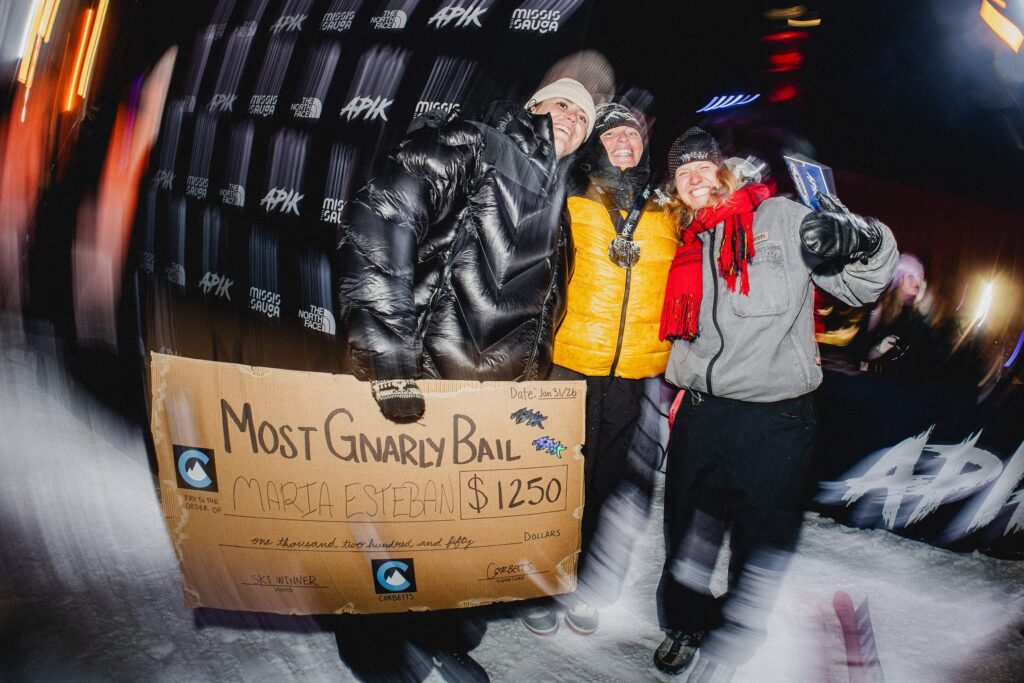
Maria Esteban (Spain) quickly became a backstage favorite. Her practice runs confirmed her talent and creativity on rails, but a heavy crash during qualifications cut her finals run short. She left the event smiling nonetheless, taking home Corbetts’ “Gnarliest Bail” award and earning the respect of riders and judges alike.

Ryan Buttars (Colorado) delivered one of the strongest Golden Ticket performances of the night. Qualifying through a deep field of over 40 athletes, he secured a spot in finals and finished inside the top 10: a clear sign that the Golden Ticket pipeline can translate to real contest results.

Best Trick: Crowd Favorite for a Reason

As always, the Best Trick session became one of the most electric moments of the night. With even more cash on the line and no limits on attempts, riders stepped things up immediately, feeding off the crowd and each other.

This format once again proved why Best Trick remains a favorite among both riders and spectators: it rewards risk-taking, creativity, and style in a way that traditional runs can’t always capture.


Voir cette publication sur Instagram


Une publication partagée par APIK (@apikfest)

A Snapshot of Rail Skiing Right Now

APIK Mississauga 2026 showcased just how strong rail skiing is right now. With a mix of established names and rising talent, the competition highlighted a scene where technical ability, creativity, and clean execution are all equally important.

As Xavier said:

“The whole top 10 could have potentially been a podium in a previous edition.”

Between jam formats that encourage experimentation and a Best Trick session that invites chaos in the best way possible, APIK continues to create a platform where rail skiing can evolve, and where riders are pushed to show their best, both for the judges and for the crowd.

For Kim, the importance of events like APIK is clear:

“Giving that platform to both established and upcoming skiers is huge for the sport. Open-format rail contests need to stay alive.”